
How a Fencing Company Determines the Ideal Fence Type for Your Business
Commercial fencing does more than establish a property line. It can influence security, privacy, accessibility, appearance, maintenance requirements, and how effectively a business uses its available space. Because commercial properties vary significantly in their layouts and daily operations, choosing the right fencing system requires more than selecting a material based on appearance alone. A professional fencing company evaluates several property-specific factors before recommending a solution.
The ideal fence should support the property's primary purpose while fitting operational requirements and budget considerations. A warehouse may need a durable chain link system with controlled access, while an office complex may place greater emphasis on appearance and visitor access. Understanding how professionals evaluate these differences can help business owners make informed decisions about their fencing investments.
Evaluating Your Property's Primary Requirements
Assessing Security and Access Needs
Security is often one of the first considerations when a fencing company evaluates a commercial property. Businesses may need to protect inventory, equipment, vehicles, machinery, restricted areas, or other valuable assets from unauthorized access. The appropriate fence height, material, configuration, and gate system can vary depending on the level of protection required and how the property is used throughout the day.
A property with valuable equipment stored outdoors may benefit from a more robust perimeter system than an office building primarily seeking clear boundary definition. Commercial-grade chain link fencing can provide durable perimeter protection, while heavier industrial-grade components may be appropriate for demanding environments. Gates can also be incorporated to control vehicle and pedestrian entry without preventing authorized employees, customers, or deliveries from accessing the property. These considerations help create a system that supports security without unnecessarily interfering with normal business activities.
Considering Privacy and Visibility
Some businesses need an open perimeter that allows visibility from surrounding roads and neighboring properties. Others require greater privacy because of their operations, customer expectations, or the materials stored on-site. A fencing company can assess whether the property would benefit from an open, partially screened, or fully private design based on the business's specific objectives.
Wood and vinyl fencing can provide substantial privacy, while chain link and ornamental metal fencing maintain greater visibility. Privacy considerations may also affect the fence's height and placement. For businesses concerned about visual separation, noise, or keeping certain areas concealed, a more solid fencing style may provide practical benefits in addition to establishing a defined boundary. The surrounding landscape and building design can also influence how the fence fits into the property. Careful consideration of these factors can help the finished fence complement the property rather than creating an appearance that feels disconnected from the existing buildings and grounds.
Matching Fence Materials to Business Operations
Comparing Durability and Maintenance Requirements
Commercial fencing needs to withstand regular exposure to weather, physical contact, and everyday business activity. A fencing company considers factors such as expected wear, corrosion exposure, maintenance requirements, and the property's surrounding environment when comparing materials. Selecting a durable system can help reduce the likelihood of frequent repairs and premature replacement, particularly for properties where fencing receives constant use or exposure.
Chain link fencing is a practical option for many commercial and industrial properties because it combines strength with relatively straightforward maintenance. Galvanized steel components can provide corrosion resistance, while different grades and gauges can accommodate varying performance requirements. Other businesses may prefer vinyl for its low-maintenance characteristics or aluminum for a lightweight material that resists rust. Understanding how each material performs under the property's specific conditions helps business owners avoid choosing a fence based solely on its initial price. Considering maintenance access and the frequency of inspections can further help businesses select a system that remains practical throughout its expected service life.
Balancing Appearance and Function
A fence can contribute significantly to a commercial property's overall appearance. Businesses that receive customers, clients, or visitors may want a perimeter that complements the architecture and landscaping rather than appearing purely utilitarian. A fencing company can recommend materials and styles that address functional requirements while contributing to a professional exterior. This is particularly relevant for properties where the fence is highly visible from public roads or customer parking areas.
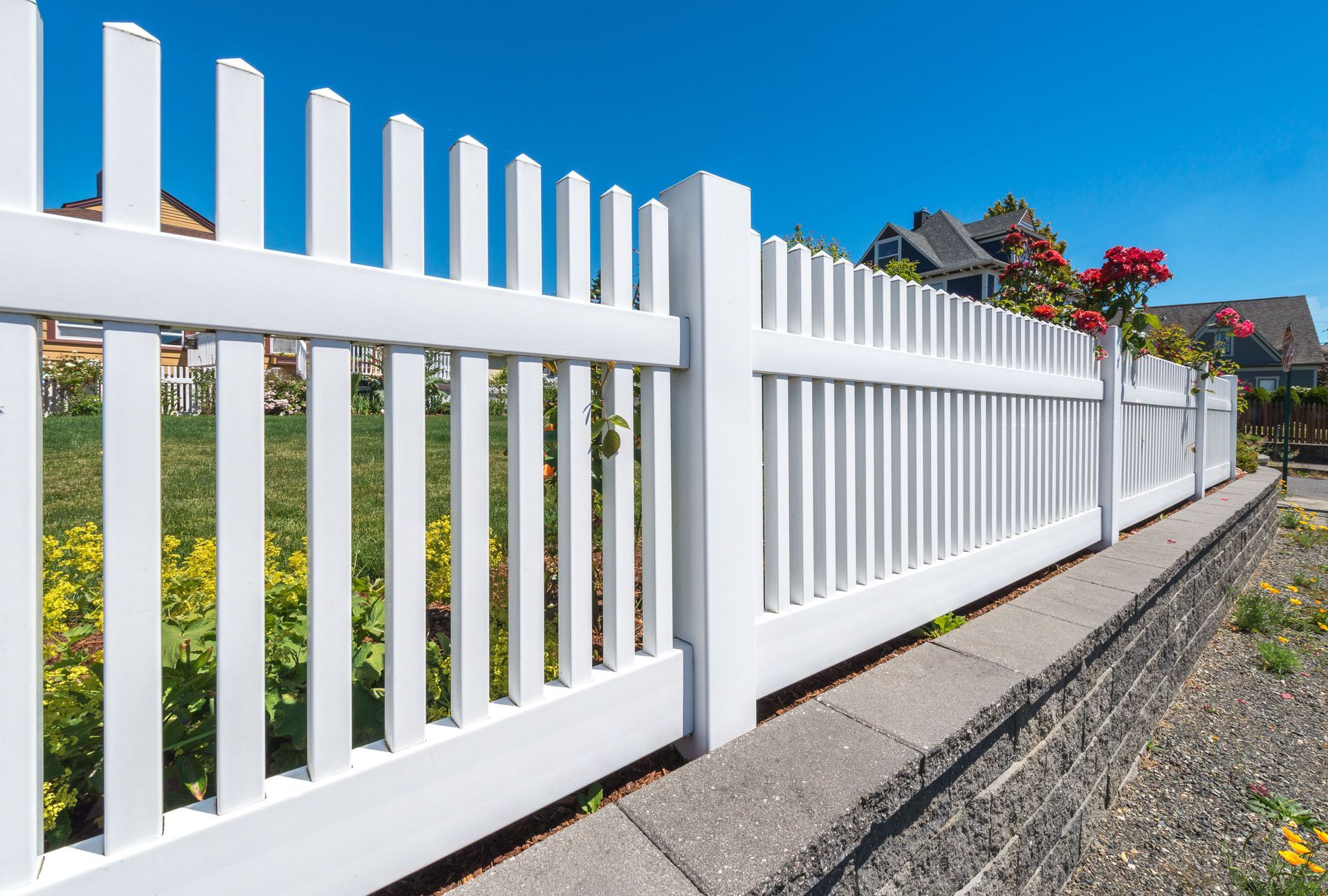
Ornamental iron and aluminum fencing can provide a more refined appearance while establishing a clear boundary. Wood fencing offers numerous design possibilities, including picket, shadowbox, board-on-board, lattice-top, and other styles. Vinyl can create a clean appearance with limited upkeep. The appropriate choice depends on how prominently the fence will be viewed as well as the property's architectural style. Coordinating the fence with existing colors, materials, gates, and landscaping can create a more cohesive appearance while preserving the practical purpose of the installation.
Accounting for Long-Term Value and Project Requirements
Considering Investment and Property Value
The cost of a fence involves more than the initial installation price. Business owners should consider expected service life, maintenance, repair requirements, security benefits, and how the installation contributes to the property's overall functionality. A fencing company can help compare these factors so the selected system aligns with both immediate needs and longer-term plans. Evaluating the complete investment can make it easier to distinguish between a lower upfront cost and a solution that provides greater practical value over time.
According to FastExpert, adding a fence to a property typically produces an ROI of 50% to 70%. This figure provides context for considering fencing as a property improvement rather than simply an expense. However, actual returns can vary depending on the property, market conditions, fence type, installation quality, and other factors. Businesses should evaluate the specific benefits a fence provides for their operations before selecting a system, including security, privacy, appearance, and property usability. The expected lifespan of the materials and potential maintenance expenses should also be considered when comparing different options and estimating the total cost of ownership.
Planning Installation Around Business Operations
Commercial fencing projects require careful planning because installation can affect employees, customers, deliveries, vehicles, and normal access to the property. Before work begins, a fencing company can evaluate the site's layout, traffic patterns, existing structures, access points, and other conditions that may influence the installation process. This planning helps determine where fencing and gates should be positioned while accounting for the ways people and vehicles move through the property.
Project planning may also involve building permits, property boundaries, gate configurations, and coordination with existing structures. For larger commercial or industrial installations, minimizing operational disruption can be particularly important. A contractor with extensive commercial fencing experience can organize the work around the property's requirements and identify potential complications before installation begins. Careful preparation can also help establish realistic project expectations for scheduling, access, and the overall installation process. Discussing these details before construction starts gives the business an opportunity to address concerns early and establish a clear plan for completing the work efficiently.
Choosing the right commercial fence requires a detailed assessment of security, privacy, appearance, durability, maintenance, access, and long-term value. Different businesses can have substantially different requirements, even when their properties are similar in size. A professional evaluation helps ensure the selected material and design serve the property's actual needs.
Whether a business requires chain link, wood, vinyl, aluminum, ornamental metal, or a specialized industrial system, the right approach starts with understanding how the property is used. Contact Rolen Brothers Fence Co today to discuss your business's specific fencing needs!


Share On: