
3 Questions to Ask Your Fence Installers
Choosing the right fencing contractor involves more than picking materials—it’s about ensuring quality, reliability, and long-term satisfaction. From understanding the variety of wood and metal fencing options to confirming proper licensing, insurance, and proven experience, each factor plays a key role in a successful installation. Knowing what to ask helps homeowners make informed decisions, protect their investment, and achieve a fence that meets both aesthetic and functional goals.
1. What Types of Fencing Materials Do You Offer?
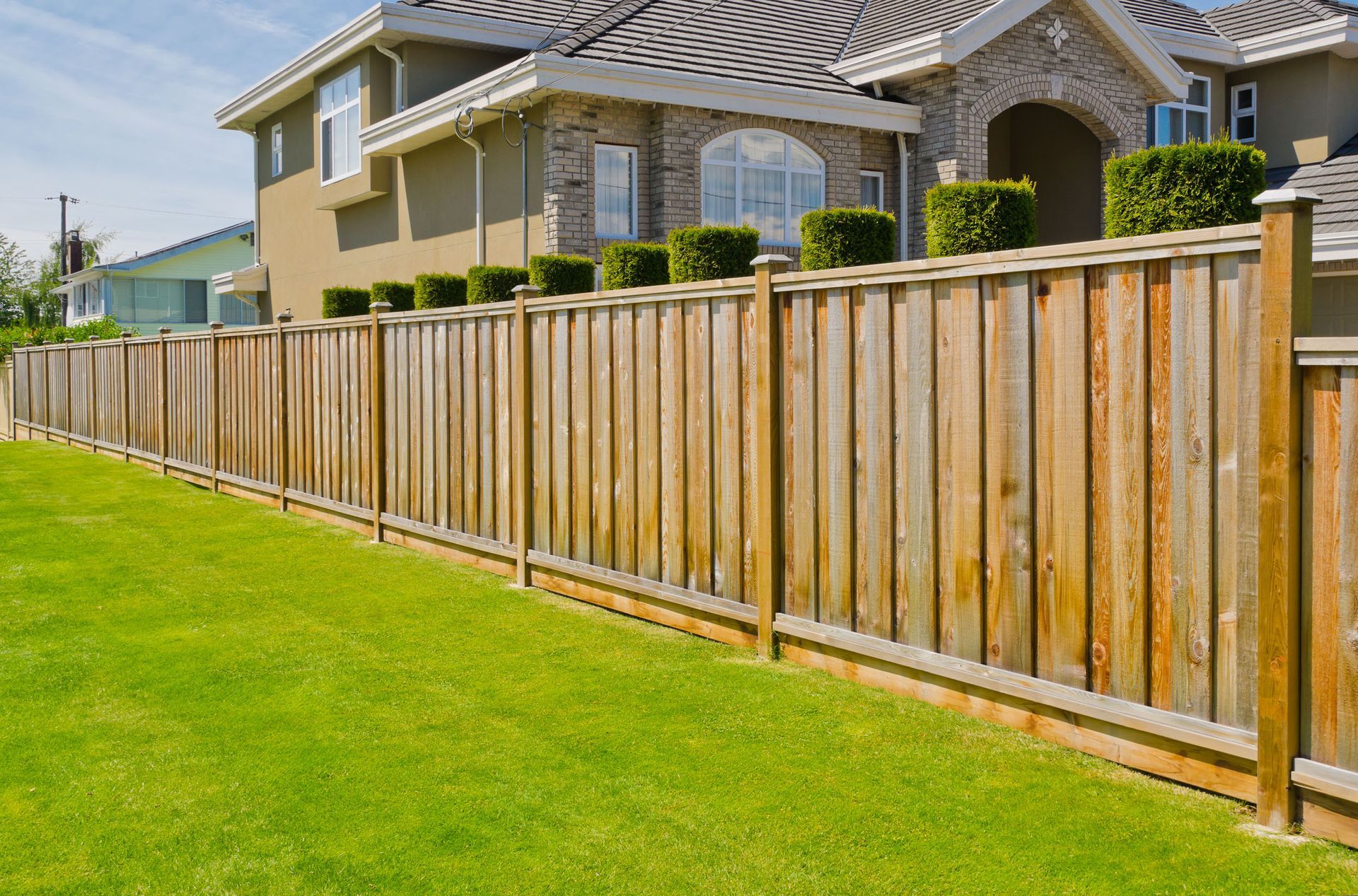
When exploring wood fencing options, it's essential to understand the variety of choices available that cater to different preferences and needs. Pine and cedar are common wood types that offer distinct characteristics. Pine, generally more affordable, provides a classic look but requires treatment for outdoor use. Cedar, on the other hand, is naturally resistant to rot and insect damage, making it a durable choice. Both materials offer customization possibilities in terms of staining, painting, and design alterations, allowing for a personalized appearance that can enhance property aesthetics.
Maintaining wood fencing is crucial to ensure longevity, which involves regular staining or sealing to protect it from the elements. Environmental impact is another consideration since wood is a renewable resource; however, responsible sourcing and sustainable practices are critical. Additionally, the cost considerations for wood fencing can vary significantly based on the type of wood and customization required. Homeowners should weigh the long-term benefits against initial installation costs and factor in potential maintenance expenses over time.
The desire for environmental stewardship can also play a role in selecting wood fencing, as sustainably sourced wood minimizes ecological footprints. Furthermore, understanding these options helps in making informed decisions that balance aesthetics and functionality. Consulting with experts on wood material choices provides insight into the advantages and limitations of each option, ultimately informing a choice that aligns with the homeowner's vision and budget.
Metal fencing offers robust solutions that are favored for their strength and durability, and fence installers typically offer various metals like aluminum, steel, and wrought iron. Aluminum is lightweight, resistant to rust, and requires minimal maintenance, making it an ideal choice for areas prone to moist conditions. Steel, though heavier and more durable, requires galvanization to prevent rusting. Wrought iron, known for its classic appeal, is often custom-crafted into intricate designs but does require periodic painting to maintain its aesthetic appeal. According to Northern Life Magazine, chain link fences typically last up to 20-30 years with proper maintenance.
The advantages of metal fencing include enhanced security, longevity, and versatility in design, though they come with certain disadvantages, such as higher material costs. Cost and longevity vary significantly among different types of metal, with aluminum generally being the least expensive and requiring the least maintenance. Nevertheless, the initial investment can lead to long-term cost savings due to the reduced need for repairs or replacements. Thus, metal fencing is often considered a cost-effective solution over time, especially with a lifespan that can exceed several decades.
2. Are You Licensed and Insured?
Understanding licensing requirements for fence installers is a crucial aspect of hiring a reliable contractor. A valid license is a testament to the contractor’s credibility, professionalism, and compliance with industry standards. Licensing helps assure clients that the installer possesses the necessary skills and knowledge to carry out the project successfully. Additionally, a licensed professional is held accountable for their work, which can instill confidence in clients regarding the quality and safety of the installation. Moreover, licensing requirements may vary by state or locality, so verifying a contractor's license ensures adherence to regional regulations.
The importance of licensing extends beyond compliance with local laws; it also affects the overall quality of work. Licensed fence installers are more likely to be knowledgeable about the newest materials, techniques, and building codes. Checking credentials involves asking contractors for their license number and verifying it through official state or local licensing boards. It's recommended to avoid working with unlicensed installers as they pose risks of subpar work and non-compliance. Consequently, hiring a licensed installer protects clients from potential liabilities and ensures that any legal requirements are met during the installation process.
The consequences of unlicensed work can include fines, project delays, and possible reinstallation due to non-compliance with local codes or subpar performance. Where to verify licenses and credentials varies by location, but specific governmental agencies or online registries typically offer searchable databases. During the initial vetting process, it's prudent to ask installers about their compliance history and confirm that they remain up to date with industry developments and legal standards. Ultimately, hiring a properly licensed installer reassures clients of professional conduct and compliance with legal requirements.
Insurance is an essential factor to consider when selecting fence installers, as it protects both the contractor and the client from unforeseen events. Liability insurance coverage is fundamental, covering any damage that might occur to the client's property due to the contractor's work. This type of insurance is particularly important during the installation process, which may involve heavy materials and machinery. Workers' compensation is another critical form of insurance, which covers injuries to workers during the job, safeguarding homeowners from potential litigation should an accident occur. It ensures that any medical expenses or lost wages are managed without affecting the client directly.
3. How Long Have You Been in Business?
Experience plays a pivotal role in shaping an installer’s expertise, allowing them to anticipate challenges and apply effective solutions. The benefits of experience are multifaceted, weaving together technical proficiency and a comprehensive understanding of client needs. A seasoned installer often possesses a vast portfolio of completed projects, illustrating their dedication to their craft and ability to handle various installation scenarios. This breadth of experience fosters adaptability to market changes, enabling fence installers to incorporate new technologies, materials, and design trends effortlessly. Additionally, client testimonials praising their work underscore their problem-solving ability and commitment to customer satisfaction.
Adaptability to market changes is a defining feature of experienced installers, who have honed their skills over time to deliver optimal results. They continuously refine their practices in response to evolving client preferences, industry standards, and environmental considerations. The number of completed projects provides a discernible measure of their practicality, ensuring that they can meet diverse client requirements. By demonstrating problem-solving ability through tangible outcomes, experienced fence installers illustrate their commitment to excellence. Prospective clients gain confidence from the installer’s proven track record of delivering successful, high-quality installations.
Client testimonials about an installer’s work provide invaluable insights into their expertise and reliability. They serve as evidence of satisfaction, highlighting how the installer fulfilled client expectations regarding quality, professionalism, and timeliness. Such feedback not only tallies with experience but showcases the installer’s ability to exceed client requirements. Ultimately, an extensive history of positive testimonials assures prospective clients of the expertise and dedication the installer commits to each project, reinforcing the importance of experience as a critical selection criterion. Acknowledging the correlation between experience and expertise ensures successful fencing projects tailored to client expectations.
Selecting qualified fence installers requires careful evaluation of materials, licensing, insurance coverage, and years of experience. By choosing professionals with verified credentials and a strong track record, homeowners can enjoy durable, visually appealing fences installed safely and efficiently. Experienced contractors not only deliver quality workmanship but also provide guidance tailored to your property’s specific needs, ensuring long-term satisfaction.
Ready to enhance your property with a high-quality fence? ContactRolen Brothers Fence Co today to explore materials, get expert advice, and schedule your professional installation with confidence.


Share On: